What makes a wine investment-grade
Most wine, however good, is made to be drunk and forgotten. Only a narrow band holds and grows in value over years. The difference is not quality alone — it is scarcity, record, and the patience to keep it intact.
The phrase "investment-grade" is used loosely, but it points at something real. Of all the wine made each year, only a small fraction has ever appreciated reliably over time. A wine can be delicious and still be a poor thing to hold; the two questions are separate. What sets the collectible band apart is a particular combination of traits, and no single one is enough on its own.
The first is scarcity. A wine that is made in vast quantity, however fine, rarely gains value, because supply meets demand comfortably. The wines that appreciate are those made in small volumes by producers whose names carry weight — a limited grand cru, a single-vineyard bottling, a vintage a house declared exceptional. Scarcity is the floor beneath everything else.
The second is a track record. An investment-grade wine usually comes from a producer with decades, sometimes centuries, of consistency — a name the market already trusts to age well. New and fashionable wines can rise quickly, but they can fall just as fast. The most reliable holdings are the ones whose reputation was earned slowly and has survived more than one generation of drinkers.
The third is ageing capacity. A wine worth keeping must be built to improve, or at least to hold, over ten, twenty, thirty years. This is why so much investment-grade wine comes from a handful of regions — Bordeaux, Burgundy, the Rhône, Piedmont, Champagne, a few others — whose best wines are structured for the long term. A wine that peaks in three years has no time in which to appreciate.
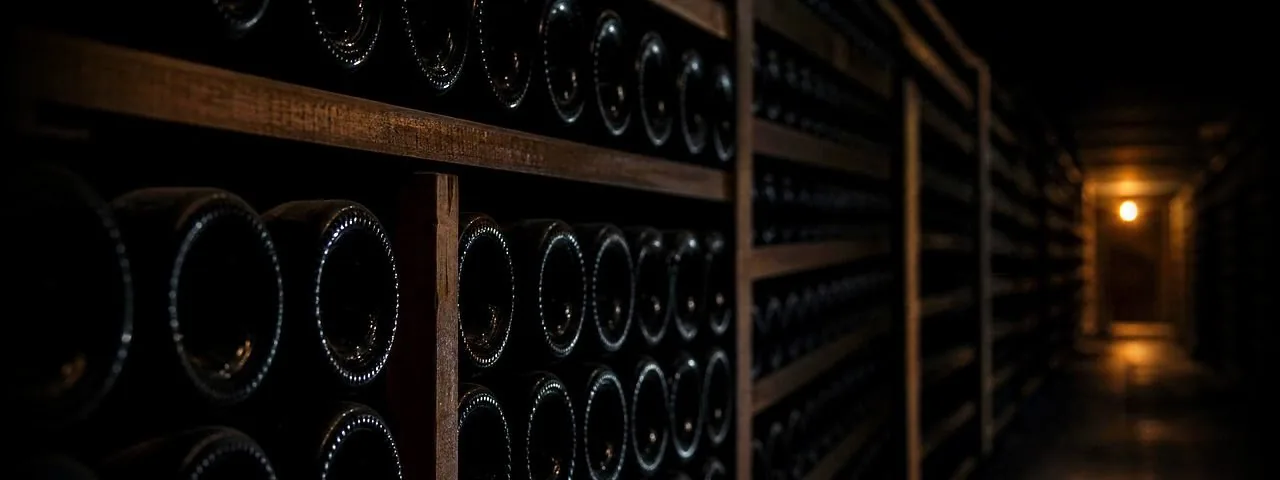
The fourth, and the one most often ignored, is provenance. Two identical bottles can differ enormously in value depending on how each was kept. A wine held in professional bonded storage since release, with its condition documented, is worth more than the same wine of uncertain history — and the gap widens with age. For a bottle held as an investment, custody is not a detail; it is much of the value itself. A cellar that keeps its records well protects its holdings twice over.
None of this makes wine a safe investment. Values can fall, fashion shifts, and a wine held carelessly loses what made it worth holding. But when scarcity, reputation, ageing capacity and clean provenance meet in one bottle, and that bottle is kept properly, it becomes one of the few objects that can be both drunk and owned — and that is what the word investment-grade, used honestly, is meant to describe.