What in-bond wine really means
A bottle held in bond has not yet entered the country in the eyes of customs. Duty and tax are suspended, and the wine sits in a regulated warehouse — which turns out to matter for more than money.
When a bottle is described as in bond, it means it is held in a customs-bonded warehouse, with duty and tax suspended until the wine is withdrawn. People treat this as a financial detail. It is, but it is also something else: a record of where the bottle has been.
A bonded warehouse is regulated. Temperature is controlled and consistent, movements are logged, and ownership can change without the bottle leaving professional custody. For a serious bottle, that last point is the whole argument. The wine does not travel from cellar to cellar, warming and settling, warming and settling. It stays where it is kept properly, and only the paperwork moves.
This is why a bottle that has been in bond since release is, all else equal, a safer bottle than one that has passed through several private hands. Not because bond is glamorous, but because it is boring in the right way. Boring, here, means uninterrupted.
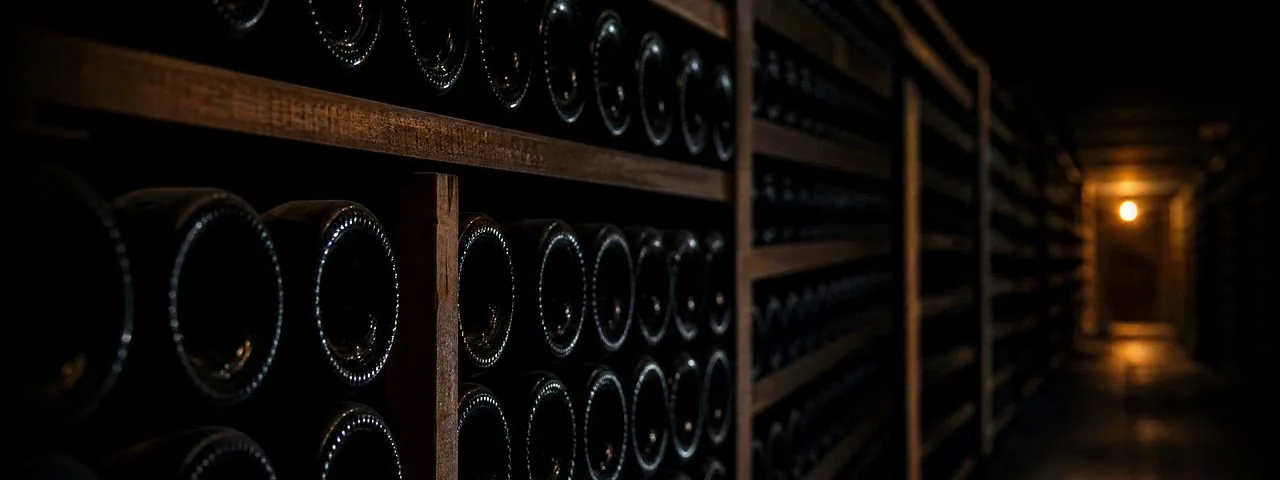
There is a tax advantage too, and it is real: buying and selling in bond defers duty and VAT until the wine is removed for drinking. But the reason a cellar like this one keeps bottles in bond is not the tax. It is that bond keeps the chain of custody intact, and the chain of custody is what condition and provenance are made of.
When a bottle leaves bond, it enters the world, with all the risk that implies. Until then, it is simply being kept — quietly, in the same conditions, with its record growing rather than breaking.