Producers · Rheinhessen & Gaillac · MMXXVI
Mariano Zelada
From Buenos Aires, through Geisenheim, Burgundy and New Zealand, to two limestones a thousand kilometres apart. A label born in 2020, bought here directly, and kept on the wine's own merit.
Zelada Wines · Founded 2020 · Bought at the door
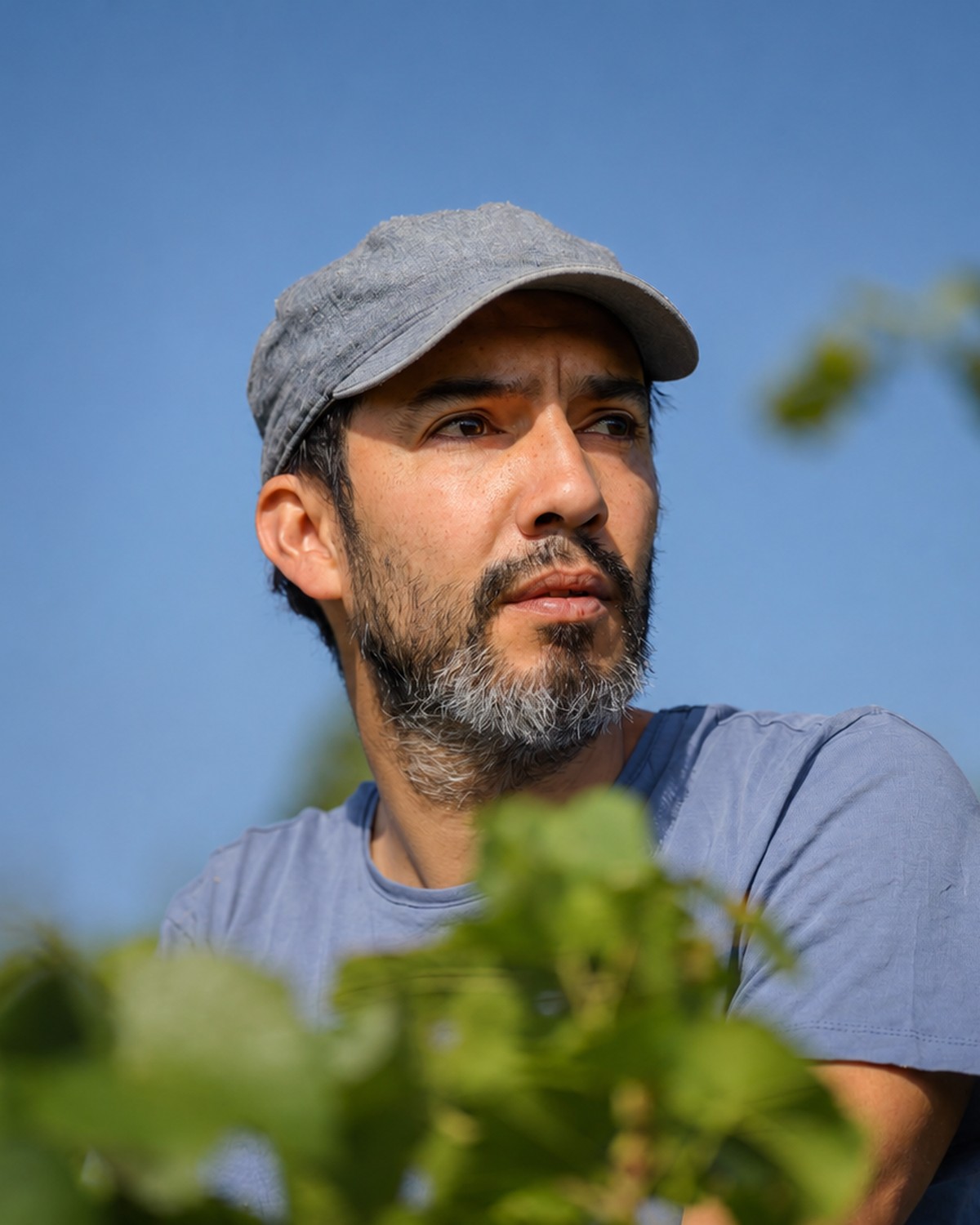
The producer
An outsider's project, built between two limestones.
L'Inconnu. L'Invité Surprise. Le Local et l'Étranger.
Mariano Zelada left Buenos Aires — and years working in the city's restaurants — for Germany in 2006. From 2012 he studied viticulture and oenology at Geisenheim, trained through cellars in Germany, Italy, Argentina and Burgundy, and served as assistant winemaker at Rock Ferry Wines in New Zealand until 2019. In 2020, the apprenticeships ended: Zelada Wines was born.
Look at what he calls his Gaillac cuvées — the Unknown, the Surprise Guest, the Local and the Stranger — and the project explains itself. This is an outsider's wine, made with an outsider's freedom: no inherited vines, no inherited habits, every choice — picking date, whole bunches or not, months in used wood — made on conviction rather than custom.
This cellar bought his bottles directly, at the door. Most of what is kept here has already been judged by history. Some of it should be a judgement of our own.
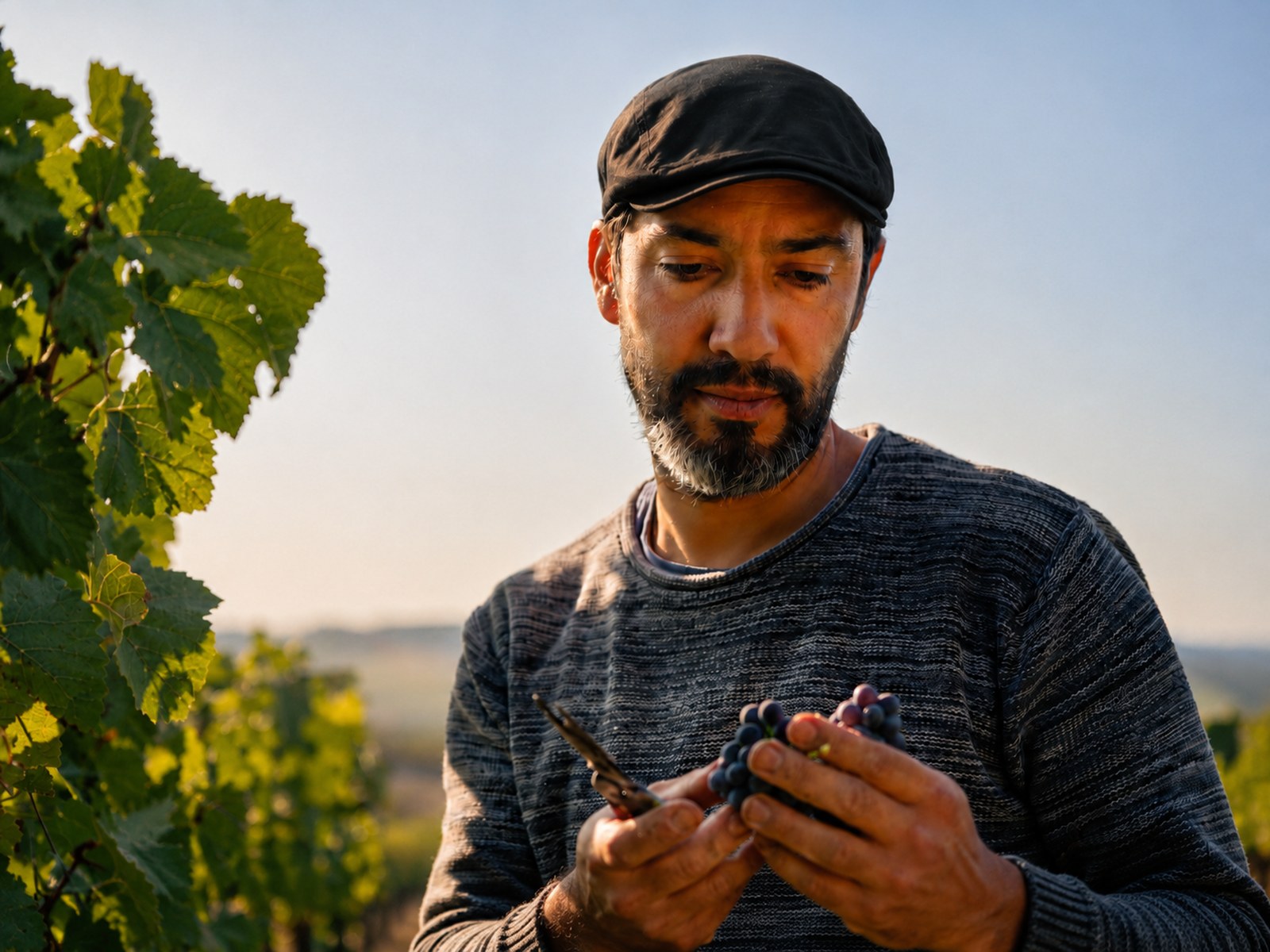
The sites
Two limestones.
A thousand kilometres apart, and the same stone underfoot.
Rheinhessen
Ober-Hilbersheim & SprendlingenSteep, limestone-dominated slopes farmed organically in the region's quiet northwest. Mariano buys thirty-to-forty-year-old Chardonnay and Pinot Noir from a small estate here — and keeps the whole philosophy in his own hands, from the day of picking to the élevage.
Gaillac
The overlooked southwestLean limestone soils in one of France's oldest and least fashionable wine regions. Native Mauzac and Duras beside Cabernet Franc, raised without hurry in used wood. Not a range, but fragments of the same question: what can an outsider hear in a place before it becomes fashionable?
The reason
Why it belongs here.
Not every bottle should arrive already sanctified.
Most of what is kept in this cellar has already passed through the judgement of time — names that need no defence. Zelada Wines is different. It is not a historic estate, and not yet a market verdict: a small, young, independent project whose interest lies precisely in the fact that the conclusion has not been written.
A cellar that only records established names is an index. A cellar with judgement must also leave room for beginnings. These bottles were bought directly from the producer and kept deliberately — not because they were obvious, but because they were not.
- The producer
- Argentine winemaker from Buenos Aires; trained through Geisenheim in Germany and stints in Italy, Argentina, Burgundy and New Zealand; founded Zelada Wines in 2020.
- The places
- Works across Rheinhessen in Germany and Gaillac in southwest France, linked by limestone soils.
- In this cellar
- La Cabernet au Carré 2023 and La Racine du Cabernet 2023, both from Gaillac, bought directly and recorded privately.
In the archive
The bottles, recorded.
Bought directly from the producer · kept deliberately · no public prices.
La Cabernet au Carré
Gaillac · 2023 · 0.75L Recorded, not offered 02La Racine du Cabernet
Gaillac · 2023 · 0.75L Recorded, not offeredFor Zelada Wines itself, the right door is the producer's own — this page exists so more people knock on it. Interest in the bottles recorded here can be left by private request.
Questions
Who is Mariano Zelada?
An Argentine winemaker from Buenos Aires who came to Germany in 2006, studied viticulture and oenology at Geisenheim from 2012, and trained through cellars in Germany, Italy, Argentina and Burgundy before working as assistant winemaker at Rock Ferry Wines in New Zealand until 2019. In 2020 he founded his own label, Zelada Wines.
What does Zelada Wines make?
Two limestones, two countries. In northwestern Rheinhessen, Mariano buys thirty-to-forty-year-old Chardonnay and Pinot Noir from steep, limestone-dominated organic sites between Ober-Hilbersheim and Sprendlingen — controlling the whole philosophy, from picking date to élevage. In Gaillac, in France's southwest, he works native and classic varieties — Mauzac, Duras, Cabernet Franc — from lean limestone soils, aged unhurried in used wood.
Why does a fine wine cellar keep a young producer?
Because not every bottle in a serious cellar should arrive already sanctified by the market. Every name in this archive was once a first vintage; keeping a small producer at the beginning — bought directly, on the wine's own merit — is the part of collecting that cannot be outsourced to a ranking.
Can I buy Zelada Wines from The Empty Drops?
These bottles were bought directly from the producer and are held privately. For Zelada Wines itself, the best door is the producer's own channels — this page exists so that more people knock on it. Interest in the bottles recorded here can be left by private enquiry.